400-6363-899
Catalytic Ceramic Membrane Technology
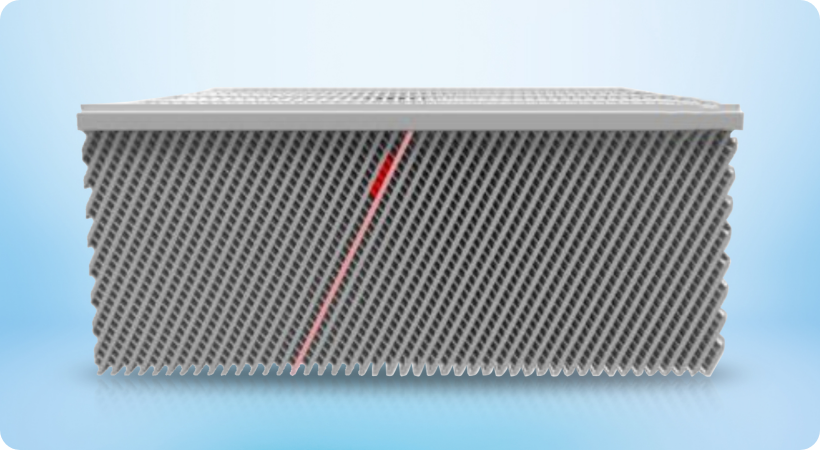
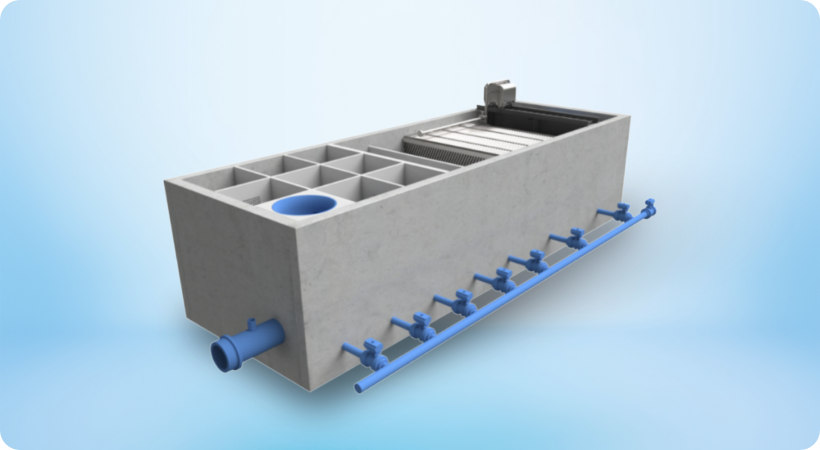
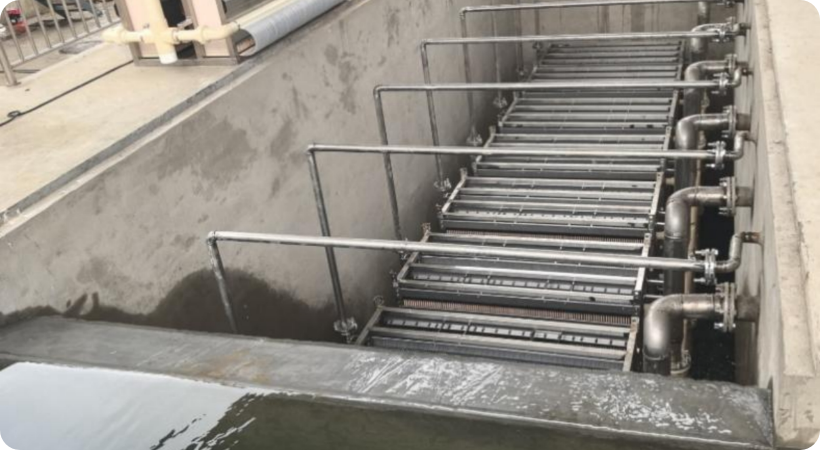
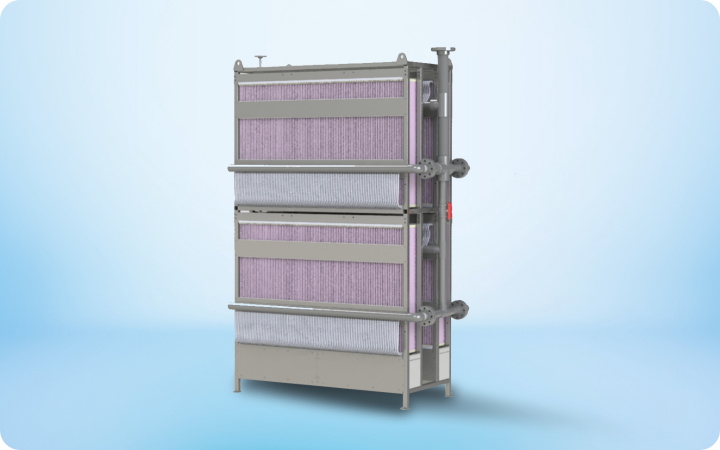
"CeraCat®"catalytic ceramic membrane is a new type of water treatment product formed by combining ceramic membrane with catalytic oxidation technology. The working principle is to load a ceramic membrane with a catalyst. When water passes through the membrane, under the combined action of zeta potential and confinement effect, the catalytic performance of the catalytic system is improved, promoting effective collision between hydroxyl radicals and target pollutants, and quickly converting pollutants into harmless substances. Simultaneously possessing the functions of physical interception and catalytic reactor.
Core Equipment
·O₃/Catalytic Oxidation Ceramic Membrane Reactor
Due to the low solubility of ozone in water, the concentration of converted reactive oxygen species (ROS) and light radicals (· OH) is low, and the effective contact area with odorants is small, making it difficult to achieve rapid oxidation of target pollutants within half life and achieve optimal removal efficiency
·Catalytic oxidation reaction mechanism
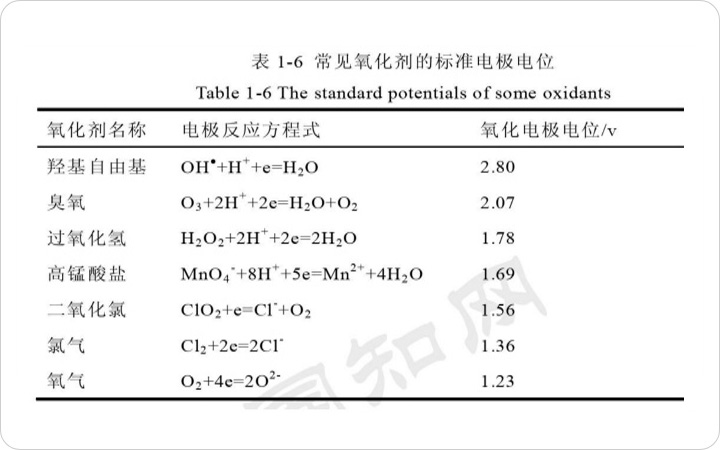
① Loading nano ceramic membranes with catalysts and adding oxidants such as ozone in situ, a large amount of light radical · OH (2.80V) is generated under the action of nano limited catalytic effect, which efficiently oxidizes and decomposes odor substances and new pollutants in water;
② The removal rate of odor substances is greater than 97%, the removal rate of new pollutants is greater than 95%, and it has a certain self-cleaning ability;
③ Nano limited catalytic effect significantly enhances the effectiveness of catalytic reactions
Product Highlights
01
Significant energy conservation and consumption reduction
Compared to the traditional aerobic stage with over 50% HRT, the AOA® aerobic stage only accounts for 25-33%, significantly reducing aeration energy consumption and eliminating the need for internal reflux of nitration solution, resulting in a significant decrease in system power consumption.
02
Efficient utilization of carbon sources
By internally metabolizing and converting organic matter in wastewater into usable carbon sources, deep or ultimate denitrification can be achieved without the need for additional carbon sources, and effluent TN can be stabilized at 5-10mg/L.
03
Efficient synergy of phosphorus and nitrogen removal
The unique AOA process does not require reflux of digestive fluids, avoiding damage to anaerobic environments and enhancing biological phosphorus removal efficiency; Short range nitrification coupled with endogenous denitrification achieves deep nitrogen removal.
04
Stable and reliable operation
Strong resistance to impact loads, simple operation and management, especially suitable for upgrading and in-situ expansion projects of existing sewage treatment plants, with both economic and environmental benefits.
Product advantages
Narrow membrane pore size distribution, high membrane flux, and high pollutant removal efficiency
Catalytic ceramic membranes can simultaneously achieve filtration and catalytic oxidation functions, with a pore size of 100nm and finer interception ability. They can efficiently remove organic pollutants, bacteria, viruses, and other substances from water, improving water quality;
Under the same transmembrane pressure difference conditions, the ceramic membrane with a pore size of 100nm has the highest flux;
Catalytic oxidation flat ceramic membrane technology can efficiently remove organic pollutants from water, effectively degrade small molecule organic compounds, and avoid subsequent AOC problems;
The removal rates of 2-MIB and GSM reached over 97%, and the effluent concentration remained stable at<10ng/L;
The total removal rate of PPCPs is>98%, and the total removal rate of EDCs is>95%.
Capable of self-cleaning and less prone to membrane fouling
By continuously introducing dissolved ozone into the bottom of the ceramic membrane in the ceramic membrane pool, the ozone reacts with the catalyst loaded on the ceramic membrane to generate hydroxyl radicals · OH. Under the strong oxidation of hydroxyl radicals · OH, pollutants on the surface and pore size of the ceramic membrane are oxidized, broken off, and gradually degraded into small molecule organic compounds, ultimately achieving self-cleaning function and avoiding membrane fouling that may cause a decrease in membrane flux.
Daily no need for acid-base cleaning, no secondary pollution generated
After the membrane tank has been running for a certain period of time, maintenance cleaning is required. Due to the large pore size of ceramic membranes and the minimal impact of inorganic pollution, acid washing is not necessary in daily life;
Under the action of ozone, the production of hydroxyl radicals · OH on the catalytic ceramic membrane can be increased, effectively removing organic pollution inside the surface area of the ceramic membrane without the need for alkaline washing in daily life.
Technical application scenarios

400-6363-899

9t@9tone.com

consult

138 2418 6889